Buying something you genuinely like can feel exciting, especially when it solves a problem or makes everyday life more enjoyable. The less exciting part comes later, when that item needs cleaning or another small maintenance task that your ADHD brain keeps pushing to tomorrow.
If taking care of your things feels like too much, the problem may have little to do with how much you value what you own. Maintenance asks you to notice a need before it becomes urgent and then act when there is no immediate reward waiting for you. Recognizing that mental workload can make it easier to build care habits around the way your brain actually functions.
Owning Something Creates Invisible Work
Although a new purchase usually comes with an obvious purpose, the work attached to owning it can be much easier to overlook. You buy shoes because you want to wear them, or you keep a favorite sweater because you feel good in it, but neither choice puts future maintenance at the front of your mind. Much of that responsibility stays invisible until something needs attention.
Because those small obligations have to compete with everything else already occupying your attention, your ADHD brain may struggle to keep them active in your mind. You may rush past a loose button while getting dressed or put a purse that needs cleaning back in the closet after switching bags. Recognizing this hidden workload can change how you think about your belongings because the amount you can comfortably maintain matters just as much as the amount you can afford or store.
Maintenance Has a Motivation Problem
Many maintenance jobs create an unfortunate situation for an ADHD brain because the task requires effort now while the benefit arrives much later. Wiping something down today prevents damage you might not otherwise see for months, which does not create much urgency on a busy Tuesday evening.
Waiting until a problem becomes visible can make the task suddenly feel important enough to tackle. Unfortunately, urgency may arrive alongside frustration because now the job has grown beyond the small action you originally postponed.
You do not need to turn every possession into another item on a complicated maintenance calendar. Pay attention to belongings where delayed care regularly creates a bigger headache, then choose a simple cue that tells you when it is time to act.
Connect Care to Something You Already Do
Remembering a maintenance task several hours or days after you use something asks your working memory to hold onto an intention while dozens of other thoughts compete for your attention. Connecting care directly to an existing action can remove some of that burden.
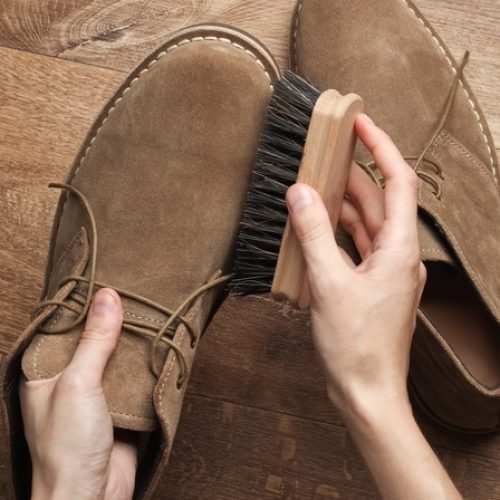
With items that need occasional maintenance, the way you already use them can provide a natural cue for care. If you own detailed leather boots, knowing how to care for embroidered cowgirl boots can clarify what attention they need. You can then connect an appropriate care step with taking them off or putting them away, giving your brain an existing event to use as its reminder.
The same connection can work with other belongings you use regularly. Check a favorite sweater when you hang it back up, or glance at your glasses when you return them to their case. Linking a small maintenance action to something that already happens removes the need to remember an unrelated task later.
Decide What Actually Deserves Your Energy
When every possession feels like it deserves meticulous care, ordinary maintenance can quickly become an impossible standard. Some belongings may warrant more attention because replacing them would be expensive, while something with personal meaning may feel worth the additional energy you spend caring for it.
As you consider buying something new, think about the work that will come with keeping it in good condition. A beautiful item that requires special storage or frequent cleaning may still be worth owning, but recognizing that obligation beforehand gives you a chance to decide whether it realistically fits your life.
During seasons when work, family responsibilities, or other demands consume more of your energy, lower-maintenance belongings may fit your life better. Choosing simplicity does not diminish your appreciation for beautiful or meaningful things because it accounts for the responsibilities that continue long after you bring something home.
Remove the Setup That Keeps You From Starting
Even when you remember a maintenance job, extra setup can stop you before you begin. Look for the step that repeatedly creates friction, then make it easier by doing things like:
- Keep basic clothing-care supplies together near your closet.
- Save appliance instructions somewhere you can reach without searching online.
- Store frequently used cleaning products close to where you actually use them.
- Give specialty care items one predictable storage spot.
You should just focus on removing the obstacle that regularly stops you, so your setup still supports you when distractions compete for your attention, or your mental load already feels heavy.
Let Good Enough Count as Care
When perfectionism turns a small maintenance job into an extensive process, getting started can become much harder. Give yourself permission to separate basic care from the occasional deeper task, knowing that brushing dirt from your shoes does not require reorganizing the closet and removing one stain does not obligate you to inspect every shirt hanging beside it.
Looking at maintenance through the lens of Christian stewardship can create more room for grace. Caring for what God has provided does not require flawless management of every possession, nor does an unfinished task measure your worth or discipline. You can value what you have and care for it within your human limitations without expecting perfection from yourself.
Build a Home That Requires Less Remembering
Repeated maintenance struggles can give you useful information about what works in your actual life. Perhaps you prefer washable fabrics because clothes requiring special care tend to sit unworn. Maybe delicate shoes make sense for occasional use but create too much work for an everyday pair. Paying attention to these patterns can guide future choices.
ADHD-friendly living does not require becoming a person who remembers every tiny task at exactly the right moment. You can create an environment that asks less of your memory by choosing belongings whose care requirements fit the energy you realistically have.
When taking care of your things feels like too much, reducing the hidden work behind ownership can make a difference. Connect maintenance to routines that already exist and remove unnecessary barriers to starting. Caring for what you have can be worthwhile without requiring you to care for everything perfectly.