
Keeping up with your home can feel like a never-ending task, especially when life gets busy and your priorities shift in different directions. Still, setting aside time once a year to check certain aspects of your home can prevent bigger and more expensive problems. Review these 10 things to check in your home annually to feel confident you’re providing a safe, comfortable environment for your family.
HVAC System
One place to start is your home’s heating, ventilation, and air conditioning (HVAC) system. An annual inspection helps ensure everything is running efficiently and safely without putting unnecessary strain on the system. It also gives you a chance to replace filters, clean vents, and catch small issues before they turn into costly repairs.
When HVAC systems go unchecked, they often become less efficient without you realizing it right away. Dust buildup, clogged filters, and worn components can quietly reduce airflow and force the system to work harder than necessary. Over time, this can lead to higher energy bills and uneven temperatures throughout your home.
Scheduling a yearly check or taking the time to inspect it yourself can make a noticeable difference in performance. Even simple maintenance tasks can extend the life of your system and improve air quality inside your home.
Roof and Gutters
Your home’s roof serves as your home’s main layer of protection against the elements, so it deserves careful attention at least once a year. Look for missing shingles, damaged areas, or spots where water might pool after heavy rain. Catching these issues early can prevent leaks and structural damage.
Gutters play an equally important role by directing water safely away from your home. When they become clogged with leaves and debris, water can overflow and collect around your foundation. This can lead to erosion, basement leaks, and other costly problems over time.
Taking time to clear out gutters and inspect your roof can help you avoid major repairs. It also ensures that rainwater flows properly and does not cause hidden damage.
Plumbing System
Another thing that you should check in your home annually is your plumbing system. It runs quietly in the background, but it plays a major role in your daily routine. Checking it once a year helps you spot leaks, corrosion, or worn connections before they become serious issues. Areas under sinks, behind appliances, and around toilets are good places to start.
Even a small leak can waste a surprising amount of water and cause damage over time. Moisture buildup can lead to mold, warped materials, and unpleasant odors that are difficult to eliminate. Addressing these problems early keeps your home cleaner and healthier.
Electrical System
Your home’s electrical system should always be in good working condition to keep your household safe. Take time to check outlets, switches, and your breaker panel for any unusual signs such as buzzing or discoloration. These small details can point to larger underlying issues.
You should not ignore flickering lights or outlets that feel warm to the touch. These can indicate wiring problems that may increase the risk of electrical hazards. Addressing them early helps prevent more serious concerns.
An annual inspection also gives you the chance to update outdated components if needed. As your home’s needs change, your electrical system should keep up. A well-maintained system provides safety and reliability every day.
Windows and Doors
Your home’s windows and doors are key to maintaining a comfortable indoor environment throughout the year. Checking for drafts, cracks, or worn seals can help you identify areas where air may be escaping. Even small gaps can affect how your home feels.
When air leaks occur, your HVAC system must work harder to maintain the desired temperature. This can lead to higher energy costs and inconsistent comfort levels in different rooms. Sealing these gaps helps keep your home efficient.
Attic Insulation
Homeowners often overlook their attics, but these spaces play a major role in regulating temperature. Checking insulation levels and looking for signs of moisture can help you catch issues early. Proper insulation keeps warm air in during winter and out during summer.
If your insulation becomes uneven or compressed, it may no longer perform as effectively. This can lead to temperature fluctuations and increased energy use. Addressing these issues helps your home stay consistent and efficient.
Foundation and Exterior Walls
You also depend on your home’s foundation and exterior walls for structural support and protection. As you walk around your home, look for cracks or signs of shifting to identify potential concerns. You must address these signs before they worsen.
Water damage is another important factor to watch for during your inspection. Stains, pooling water, or soft spots around the exterior can signal drainage issues. Fixing these early can prevent long-term structural damage.
Pest Activity
Homeowners also should check to see if their residence has become a shelter for pests, which can quietly enter your home and cause damage before you even realize they are there. Checking areas such as basements, attics, and cabinets can help you spot early signs. Droppings, gnaw marks, and unusual smells are all things to watch for.
But these invaders can have major detrimental impacts that go beyond your residence. For example, raccoon infestations can impact a person’s mental health. Keeping pests under control helps protect both your home and your family’s level of comfort.
Home Appliances
Household appliances make daily life easier, but they require regular attention to stay efficient. Checking hoses, filters, and connections can help prevent leaks and breakdowns. These small tasks can extend the lifespan of your appliances.
Appliances that you fail to maintain often use more energy than necessary. This can lead to increased utility bills without any obvious warning signs. Regular cleanings and inspections help keep them running smoothly.
Safety Devices
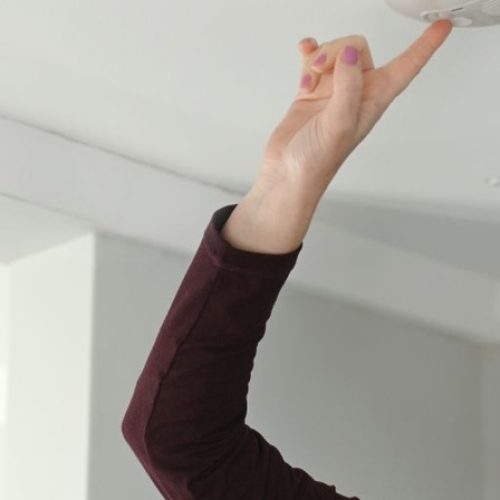
Safety devices such as smoke detectors and carbon monoxide alarms are essential in every home. Testing them once a year ensures they are working properly when you need them most. Replacing batteries regularly is a simple but important step.
It is easy to overlook these devices because you do not use them daily. However, they play a critical role in protecting your household during emergencies. Making them part of your yearly routine keeps them reliable.
Stay Ahead of Potential Problems
Taking the time to check these aspects of your home helps you stay ahead of potential problems and avoid unnecessary stress. You will catch small issues before they turn into larger and more expensive repairs.
With a little planning, these checks can become a natural part of your yearly routine rather than something that feels overwhelming. Your home will feel more organized, safe, and well cared for as a result. And that peace of mind makes every bit of effort worthwhile.