
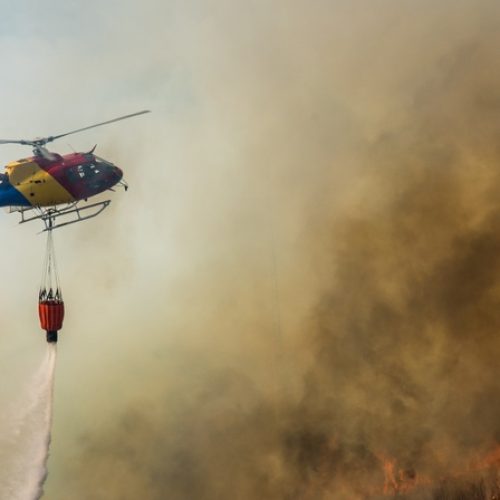
When my family and I considered relocating to Northern California a few years ago, I fell in love with the mountain views and peaceful surroundings. What I didn’t fully grasp was how living in a high-risk fire zone would completely reshape my approach to home management and safety planning.
Moving to a wildfire-prone area requires careful consideration beyond the typical home-buying checklist. As someone with ADHD, I’ve learned that breaking down fire safety into manageable systems is often the difference between feeling overwhelmed and feeling prepared.
Know Your Risk Level
Before you fall in love with that dream house, research the specific wildfire risk for your potential neighborhood. I spent hours on CAL FIRE’s website studying fire history maps and risk assessments. Your local fire department maintains detailed records of past fires and current risk factors.
Check if the property sits in a Very High Fire Hazard Severity Zone. These designations affect everything from insurance rates to building requirements. I discovered our intended area had experienced three major fires in the past decade—information that influenced our decision to move forward and our preparation strategy.
Secure Comprehensive Insurance Coverage
Standard homeowners’ insurance often excludes wildfire damage or provides inadequate coverage. I spent weeks comparing policies and discovered that many insurers won’t write new policies in high-risk areas.
Contact multiple insurance companies early in your home search process. Document your home’s fire-resistant features and safety measures, as these often reduce premiums. Consider additional living expense coverage that pays for temporary housing during evacuations.
Create Your Evacuation Strategy
Developing a detailed evacuation plan becomes essential when you live in fire country. I created a family evacuation binder with maps showing multiple exit routes, since fires can block primary roads quickly.
Practice your evacuation route with your family, especially children. Time how long packing takes and keep a pre-packed emergency bag in your car. I use smartphone apps that send evacuation alerts and track fire locations in real-time.
Build Community Connections
Your neighbors and local fire department become crucial resources in wildfire-prone areas. I joined our neighborhood fire safety group the minute we considered the area. These connections provide early warnings, evacuation assistance, and shared resources during emergencies.
Attend community meetings about fire preparedness and introduce yourself to nearby fire stations. Many departments offer free home safety inspections and recommendations for improving your property’s defensible space.
Maintain Safety Systems
Living in fire country means investing in wildfire preparation and safety equipment that requires regular maintenance. I keep fire extinguishers, emergency radios, and backup power sources ready year-round.
Test your equipment monthly and replace batteries seasonally. Create maintenance reminders on your phone for tasks like clearing gutters, trimming vegetation, and checking water pressure. These small actions compound into significant protection over time.
Moving to a wildfire-prone area doesn’t mean living in constant fear. Through systematic preparation and community involvement, I’ve created safety routines that feel manageable rather than overwhelming. The key lies in breaking fire safety into specific, actionable steps rather than viewing it as one massive challenge.
Your new home can provide the lifestyle you’re seeking while keeping your family safe. Preparation transforms anxiety into confidence, giving you peace of mind to enjoy your beautiful new surroundings.