
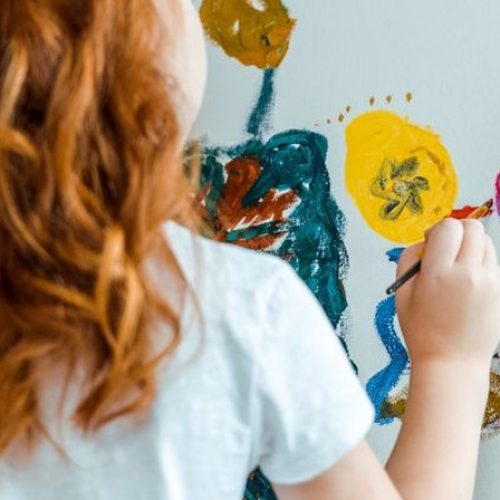
Children grow when they explore activities that challenge their minds and bodies. Hobbies give kids a chance to build confidence, solve problems, and discover interests that may shape their future. When you choose the right hobbies, you help your child develop practical skills while they enjoy themselves.
Creative Hobbies That Build Thinking Skills
Creative hobbies encourage kids to express ideas and think independently. Drawing, painting, and crafting strengthen fine motor skills and improve focus. Kids learn patience as they work through mistakes and refine their creations.
Music also plays a powerful role. When children practice an instrument, they train their memory and coordination. They learn discipline because progress requires consistent effort. Writing stories or journaling helps kids organize thoughts and communicate clearly, which benefits them in school and beyond.
Active Hobbies That Teach Discipline
Physical hobbies do more than improve fitness. Sports such as soccer, swimming, or martial arts teach teamwork, resilience, and goal setting. Kids learn how to handle wins and losses with maturity.
Dance offers another excellent option. It combines physical movement with rhythm and creativity. Children follow instructions, memorize routines, and build confidence as they perform. These experiences help them stay committed to long-term goals.
Hands-On Hobbies That Develop Practical Skills
Hands-on activities give kids real-world problem-solving experience. Building models, gardening, or cooking teaches responsibility and planning. Kids see the results of their efforts, which motivates them to keep learning.
For example, assembling models can introduce children to the mechanics of slot car racing and similar systems. They begin to understand how parts work together, which strengthens logical thinking. Cooking teaches measurement, timing, and attention to detail. Gardening helps kids learn patience and care as they nurture plants over time.
Technology-Based Hobbies for Modern Skills
Technology offers many opportunities for skill building when used thoughtfully. Coding, robotics, and digital design teach kids how to think critically and solve complex problems. These hobbies prepare them for future careers while still feeling fun and engaging.
Video editing and graphic design also encourage creativity. Kids experiment with tools, adjust details, and learn how to present ideas visually. These skills hold value in many modern fields.
Easy Hobby Ideas to Get Started
If you want simple options, start with activities that match your child’s interests. Here are a few ideas:
- Drawing or sketching for creativity
- Playing a musical instrument for discipline
- Team sports for cooperation
- Cooking simple recipes for life skills
- Building models for problem solving
- Gardening for responsibility
Each activity offers a different benefit, so you can mix and match based on your child’s personality.
How to Encourage Kids to Stick With a Hobby
Children often lose interest when they feel pressure or boredom. You can help them stay engaged by creating a supportive environment. Let them choose hobbies that excite them and celebrate small achievements along the way.
Set realistic expectations and allow room for mistakes. Kids learn more when they explore freely rather than chase perfection. You can also participate with them, which turns hobbies into shared experiences and strengthens your connection.
Hobbies do more than fill free time. They help children build skills that support success in school, relationships, and future careers. When you guide your child toward meaningful activities, you give them tools they can use for life.