
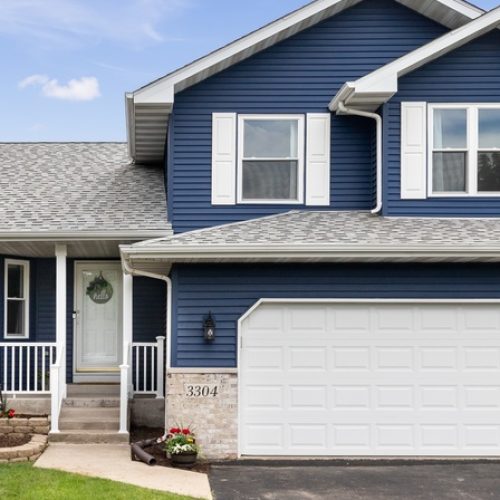
When I first started paying attention to my home’s exterior, I focused on flowers and paint colors. I ignored the garage door because I saw it as purely functional. Then I found out that garage door styles can affect my home’s value and decided I needed to learn more about curb appeal and home value.
As someone who battles distraction and perfectionism, I sometimes freeze when I think about upgrades. I want everything to look beautiful, but my ADHD brain struggles with where to begin. Follow along to learn my tips for choosing the right garage door style, without being overwhelmed by the process.
First Impressions Shape Perceived Value
Buyers form opinions within seconds of seeing a home. A garage door that looks outdated can quietly drag down perceived value. A modern, cohesive style can instantly elevate the entire exterior. I think of it as putting on a well-fitted blazer before stepping out the door.
Real estate professionals often highlight curb appeal because it influences offers. When a garage door complements siding, trim, and landscaping, it signals care. That signal builds trust before anyone steps inside. Trust often translates into stronger offers and faster sales.
Style Creates Emotional Connection
I used to think garage doors came in one boring design. Now I see carriage-style, contemporary glass, rustic wood, and classic raised-panel options. Each style tells a story about the home and the family inside. Buyers respond emotionally to that story.
A carriage-style door can evoke warmth and tradition. A sleek glass panel door can suggest creativity and modern living. When style aligns with the neighborhood, buyers feel harmony instead of tension. Harmony often supports higher appraisals and smoother negotiations.
Materials Matter More Than I Thought
Material choice affects durability and appearance. Steel offers strength and low maintenance. Wood brings warmth and character but requires consistent care. Composite materials balance beauty and practicality.
When I evaluate upgrades, I ask whether I can realistically maintain them. My brain loves big ideas but struggles with long-term upkeep. Choosing a material that fits my daily capacity protects both my sanity and my investment. Wise stewardship honors God and reduces stress.
Understanding Door Construction Options
Before researching, I never considered the differences between sectional and single-panel garage doors. Sectional doors open in horizontal sections that roll along tracks. Single-panel doors tilt outward and upward as a single unit. That structural difference affects space, insulation, and long-term functionality.
Sectional doors often provide better insulation and smoother operation. Single-panel doors can offer a simpler look and, in some cases, a lower upfront cost. Buyers may favor sectional designs for convenience and modern performance. Convenience often supports resale value by reducing perceived hassle.
Stewardship Over Perfection
When I let go of my obsession with making everything look absolutely perfect, I can choose a garage door that improves value without demanding perfection from myself. I can act wisely without spiraling into overwhelm.
Don’t focus on the big picture and get overwhelmed by each step. Instead, take one small step at a time. This will build value in your home and habits.