
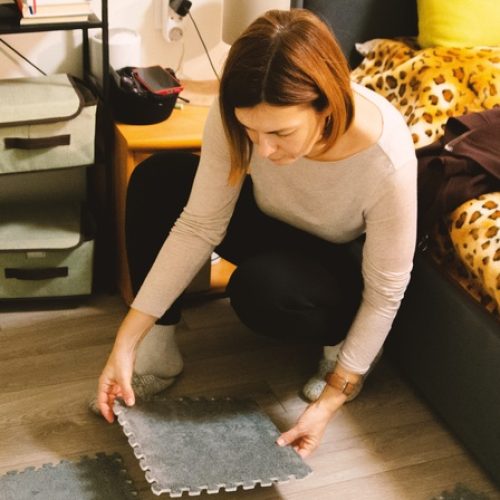
When a child moves out, the bedroom often becomes the place where memory and clutter sit side by side. You may open the door and see old posters, half-empty drawers, school trophies, and a bed no one sleeps in anymore. A gentle plan for reclaiming a bedroom after the kids move out helps you honor what happened there without freezing the room in the past. This change may feel tender, but it also gives you permission to make the space useful for your life now.
Plan Before You Touch Anything
Before you sort a drawer or move a box, stand in the room and decide what you want from the space. Maybe you need a guest room that feels peaceful, a small office where you handle bills, or a quiet reading space that finally belongs to you. This gives every later decision a direction.
Without that direction, you may spend two hours moving old sweatshirts from one corner to another and call it progress, which many of us have done with great seriousness.
Let Yourself Feel Weird About It
Reclaiming the room may bring up more emotion than you expect. You might feel proud, sad, or oddly protective over a stack of notebooks your child forgot existed. None of that means you are stuck or being dramatic. It means the room held a whole chapter of your daily life, and now you are learning how to hold the memories without keeping every object exactly where it landed.
Use a Simple Sorting System
A sorting system helps you make decisions without turning the room into a bigger mess first. Keep the categories simple, because this process already carries enough emotion without adding a complicated color-coded spreadsheet. Place boxes or bags near the door so each item has somewhere to go as you work through the room. If you get stuck, choose the next smallest decision instead of trying to solve the whole room at once.
Use these categories as you sort:
- Keep for your child to take
- Keep it as a family memory
- Donate to someone who can use it
- Toss if it has no real purpose
- Move if it belongs somewhere else in the house
Create One Memory Zone
You do not need to erase the room to reclaim it. Choose one memory zone where the most meaningful items can live, such as a keepsake box or a framed photo wall. Keep items that tell a real story, not every object that happens to trigger guilt when you hold it. A smaller memory zone often feels more loving because it gives the best pieces room to matter.
Remove What No Longer Serves the Room
Once you know the room’s next purpose, the easy decisions start to reveal themselves. Broken furniture, old bedding, outdated electronics, and mystery cords do not need to stay because they once belonged to a growing kid.
Large items may feel hard to move alone, especially if the room has become a storage overflow zone. This is one of the benefits of using professional junk removal services, since outside help can make the physical cleanout less exhausting.
Work in Small Passes
Do not try to transform the whole room in one emotional Saturday. Start with one surface or one closet section, then stop before the process drains you. A smaller pass helps you make clearer decisions because you are not sorting memories while tired and quietly mad at a box of yearbooks. Progress still counts when it happens in pieces, especially during a season of life that already asks for adjustment.
Give the Room a New Identity
After you clear the old layers, give the room a clear new role. A guest room might need fresh bedding, a lamp, and an empty drawer for visitors. A hobby room might need a sturdy table and storage that fits your supplies instead of your child’s old sports gear. Naming the room’s new purpose helps your mind shift from “their empty bedroom” to “my room for this next season.”
Keep One Familiar Detail
A reclaimed room does not need to become unrecognizable overnight. Keep one familiar detail if it brings comfort, such as a favorite framed photo or a small piece of art your child loved. This softens the transition without letting the entire room stay locked in the past. Sometimes one meaningful reminder feels warmer than leaving everything untouched and quietly avoiding the room.
Make It Useful for Your Daily Life
A newly opened room should serve the life you are living now. If you work from home, add a real chair and a desk that does not punish your back by lunchtime. If you need rest, keep the room calm enough for reading or a short nap with no apology attached. You spent years making space for everyone else’s needs, and now the room can support yours, too!
Refresh Without Overdoing It
You do not need a full renovation to make the room feel different. Paint the walls, change the bedding, swap the curtains, or add a rug that makes the floor feel less like a teenage time capsule.
Choose updates that align with the room’s new purpose rather than buying decor to fill the silence. A few thoughtful changes often bring more peace than a dramatic makeover that leaves you tired and surrounded by receipts.
Set a Boundary for Returning Clutter
Adult children may continue using the room as a storage unit whenever they visit if no one says otherwise. Kindly explain what you are keeping, what needs to leave, and what the room will become.
This conversation may feel awkward, but it protects the space from sliding back into piles after you do the work. Loving your children does not require saving every college bin or forgotten charger until the end of time.
Let the Change Mean Something Good
An empty bedroom can feel like proof that life has changed, and that’s because it has. But change does not have to mean loss only. When you reclaim a bedroom after the kids move out, you create room for memories and for the woman you are still becoming. Always keep in mind that the empty space can still hold love for the past while giving your present life a little more air.